
Mammal · Land
Javan rhino: an entire species in a single park
Every Javan rhino on Earth lives in one national park, at the western tip of the island of Java. After years of slow recovery, poachers wiped out a third of them. About 50 remain — and every single one is known and watched over.
26 Javan rhinos killed by poachers between 2019 and 2023 — a third of the known population
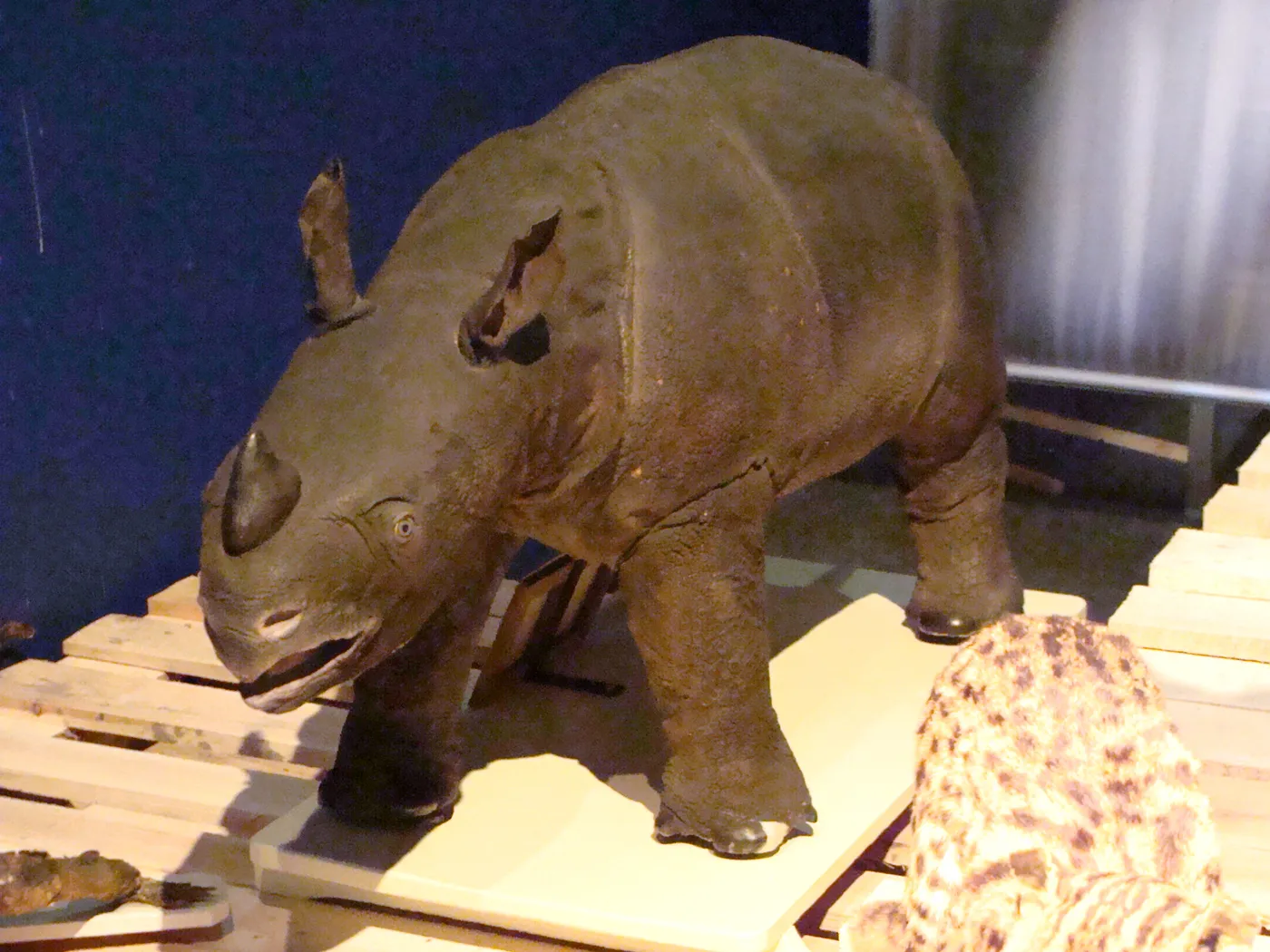
Meet the Javan rhino
The Javan rhino is a discreet giant. It stands 1.5 to 1.7 metres at the shoulder and weighs 900 to 2,300 kilos. Its grey, hairless skin falls into great folds that look like plates of armour.
Males carry a single horn about 25 centimetres long — the smallest of the five rhino species. In females the horn is tiny or missing altogether.
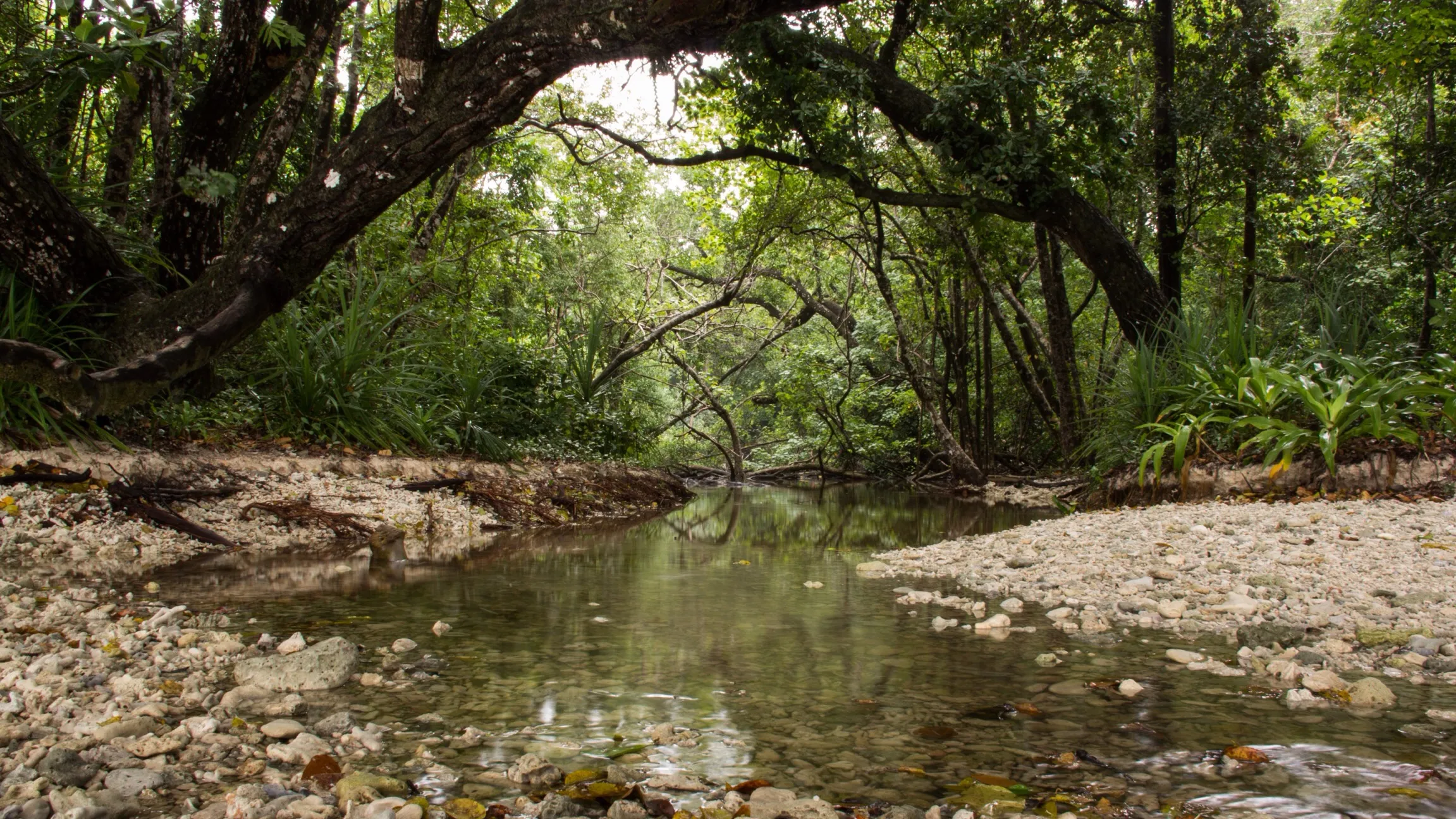
Solitary and rarely seen, it browses on leaves, shoots and fruit, with more than 300 plant species on the menu. As it pushes through the undergrowth and feeds, it shapes the forest for other wildlife. Pregnancy lasts about 15 to 16 months, and a female gives birth only every two or three years. It may live 30 to 40 years.
Its range once stretched from the Himalayan foothills across Southeast Asia to Sumatra and Java. The last Javan rhino on the Asian mainland was killed by poachers in Vietnam in 2010. Today, the entire species lives in one place: Ujung Kulon National Park, at the far western tip of Java.
Did you know? There are no Javan rhinos in any zoo. Scientists follow every individual using camera traps: each rhino is identified, and every birth counts. As the organisation Re:wild puts it: “Every individual has a name. Every birth matters.”
Why it is endangered
After decades of protection, the population had grown from 25 animals in 1967 to an estimated 76 in 2022. Then poaching struck. Indonesian authorities broke up poaching gangs who confessed to killing 26 rhinos between 2019 and 2023 for their horns. According to the IUCN, that is a third of the known population. Around 50 are believed to remain.
Living in a single park makes the species extremely vulnerable:
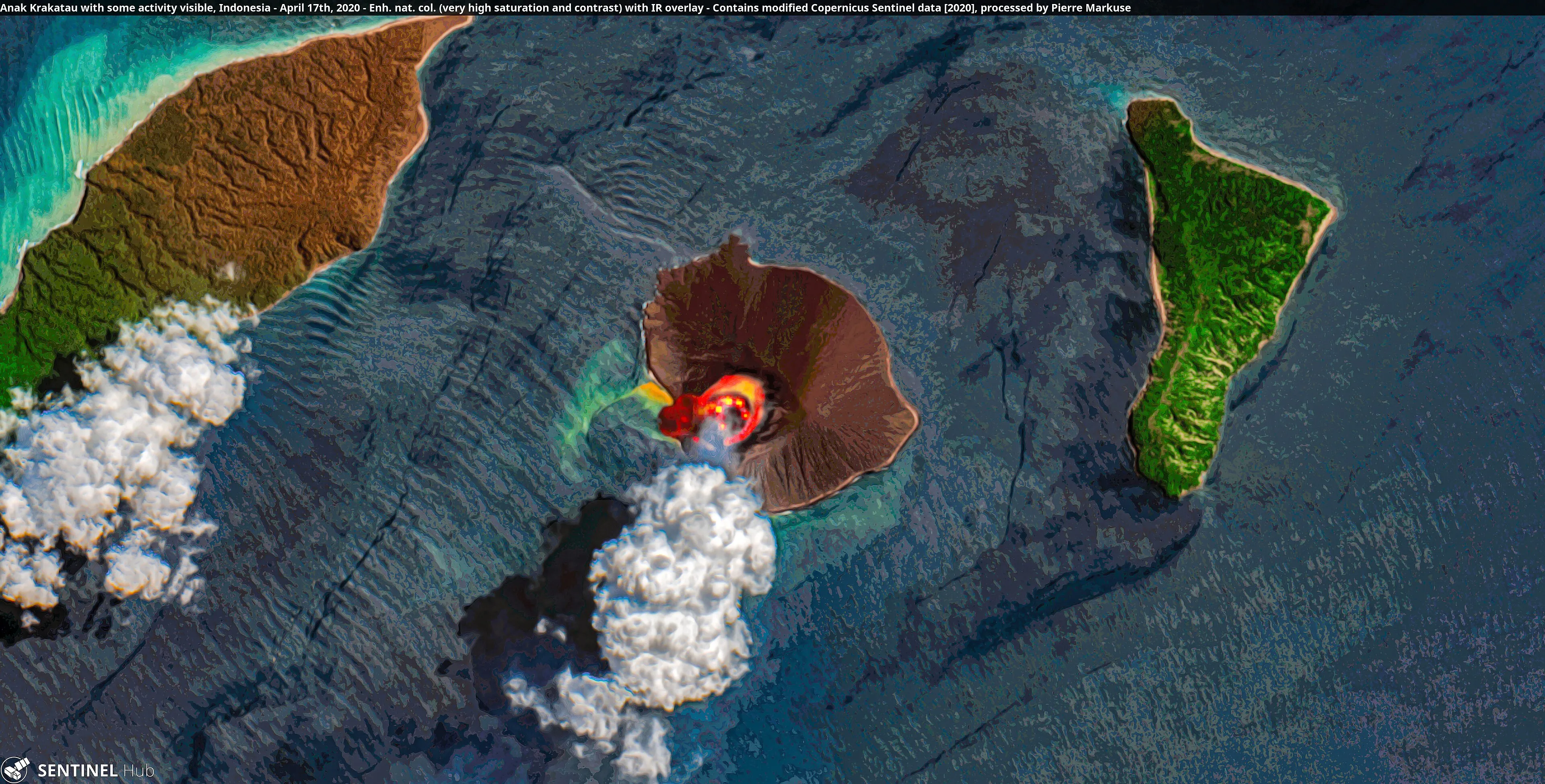
- Natural disasters. The Anak Krakatau volcano rises about 50 kilometres away. A major eruption or undersea earthquake could trigger a tsunami capable of flooding the low-lying coastal land where the rhinos live.
- Disease. Livestock from nearby villages can pass on diseases through biting flies.
- An invasive plant. The Arenga palm is spreading through the forest and smothering the plants rhinos eat.
- Inbreeding. With so few animals, genetic diversity is very low, and there are roughly two males for every female.
- A full house. The park’s habitat is close to the number of rhinos it can support, which limits how far the population can grow.
What is being done to save it
Inside the park, Rhino Protection Units, supported by the International Rhino Foundation among others, patrol alongside park rangers. Monitoring has gone high-tech, with AI-assisted camera traps, a digital radio network and individual tracking of every animal. Poachers who were caught have been prosecuted.
To make the forest more nourishing, teams are clearing out the Arenga palm. The Javan Rhino Study and Conservation Area covers about 5,300 hectares, and by 2017 some 95 hectares had already been cleared of the palm. In the Javan Rhino Study and Conservation Area, this work had already raised the number of rhinos using the area from two to nine by 2017.
In the longer term, the goal is to establish a second population at another site, so the species no longer depends on a single park. It is a huge challenge. In 2017, the Cikepuh site on Java was considered the most promising option. But it is a military zone that is also used by herders and farmers, and the Indonesian foundation YABI estimated at the time that making it safe could take around fifteen years. Vietnam showed what happens to a small, isolated, poorly protected population: it vanished there in 2010.
Genetic material is also being stored to safeguard the species’ diversity. The park’s own history proves that recovery is possible: starting from 25 animals in 1967, the population tripled under protection. If poaching is stopped, it can grow again.
How you can help
Sauvons les animaux does not collect donations. These recognised organisations work for the Javan rhino:
- International Rhino Foundation supports anti-poaching patrols in Ujung Kulon. Donate to the International Rhino Foundation
- Save the Rhino International funds programmes for all five rhino species. Donate to Save the Rhino
And in everyday life:
- Bust the horn myth. Rhino horn is made of keratin, just like our fingernails, and has no proven medicinal value. Demand is what drives poaching.
- Never buy rhino horn or ivory items, even if they are sold as antiques, and report them to the authorities if you are offered them when travelling.
- Share this rhino’s story — most people have no idea it still exists.
Support an organization
We do not collect donations. These trusted organizations work directly for this species:
-
International Rhino Foundation
Works with Indonesian partners to fund the Rhino Protection Units that patrol Ujung Kulon National Park.
Donate — International Rhino Foundation (external site, opens in a new tab) -
Save the Rhino International
Supports conservation programmes for all five rhino species, including the Javan rhino.
Donate — Save the Rhino International (external site, opens in a new tab)
In pictures
Use the left and right arrow keys to browse the photos.
-
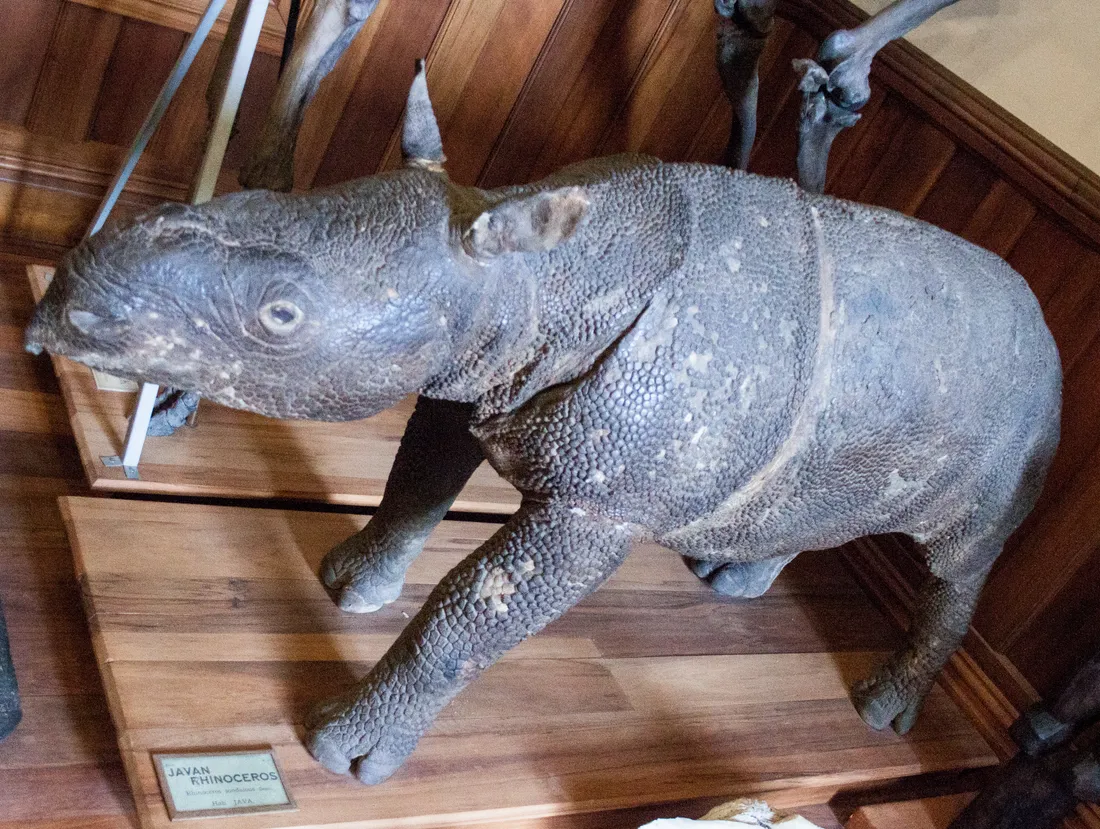
Mounted Javan rhino at Canterbury Museum (New Zealand). Photo: Szilas, Public domain (source) -
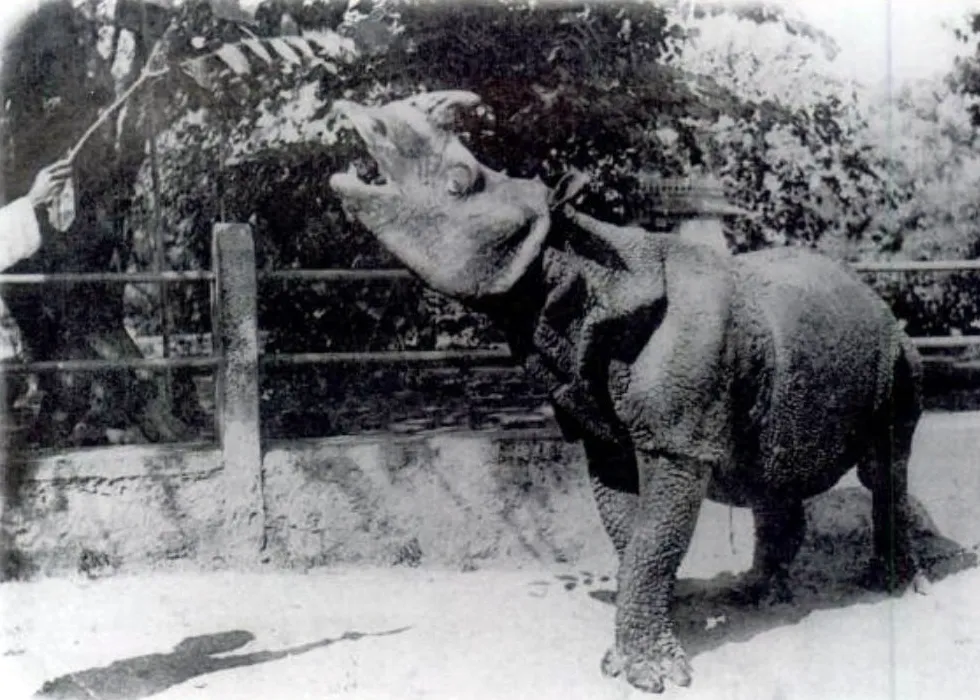
A postcard from around 1900 — one of the few images of a living Javan rhino in captivity (location uncertain, probably India). Photo: Unknown author, Public domain (source) -
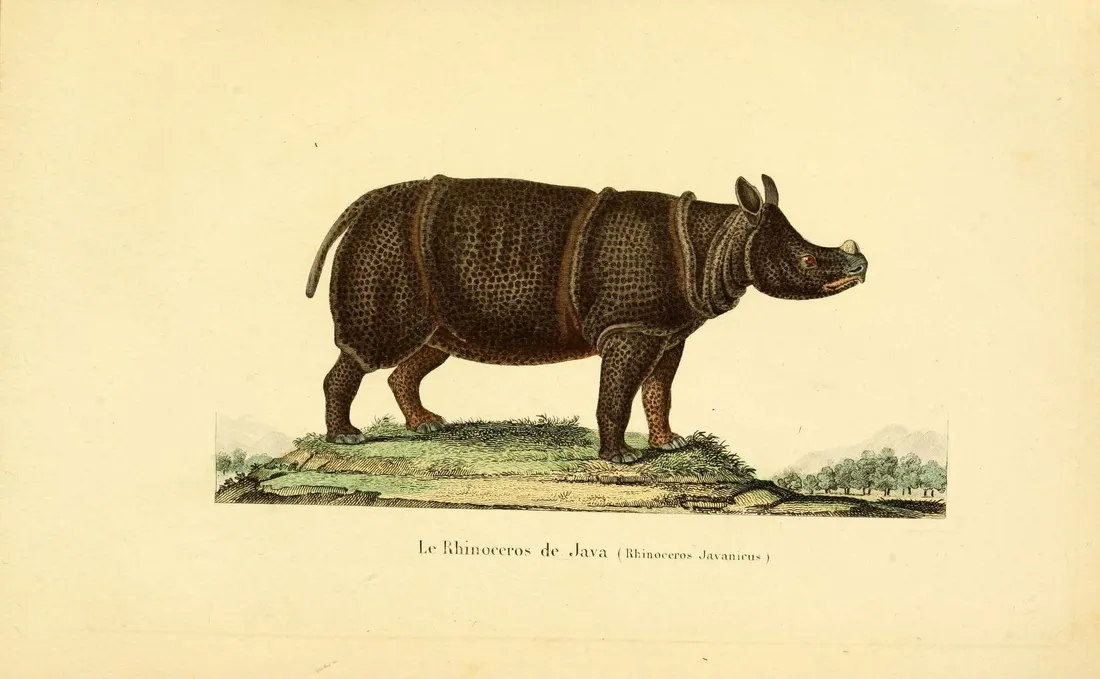
"Le Rhinocéros de Java", an engraving from René-Primevère Lesson's Compléments de Buffon, 1838. Photo: Compléments de Buffon (P. Lesson), 1838, Public domain (source) -

Sunset at Tanjung Lame, near the Cilintang post, in the Javan Rhino Study and Conservation Area. Photo: SulthanRA, CC BY-SA 4.0 (source)


Share this page
Sources
- Rhinoceros sondaicus — Red List assessment (2019), IUCN, accessed .
- Poaching of African rhinos down, drought and other threats drive losses globally (7 August 2025), IUCN, accessed .
- Javan rhino — species page, International Rhino Foundation, accessed .
- Javan Rhinos, Re:wild, accessed .
- Can the Javan rhino be saved before disaster strikes? (September 2017), Mongabay, accessed .
Photo credits
- Mounted juvenile Javan rhino, Naturalis, Leiden (Netherlands). No recent photo of a living Javan rhino is available under a free licence. Photo: Peter Maas, CC BY-SA 3.0 (source)
- The forest of Ujung Kulon National Park, the species' last refuge. Photo: Achmad Soerio Hutomo, CC BY 2.0 (source)
- Anak Krakatau erupting, seen by satellite in April 2020. The volcano lies about 50 km from the park. Photo: Pierre Markuse (contains modified Copernicus Sentinel data), CC BY 2.0 (source)
- Mounted Javan rhino at Canterbury Museum (New Zealand). Photo: Szilas, Public domain (source)
- A postcard from around 1900 — one of the few images of a living Javan rhino in captivity (location uncertain, probably India). Photo: Unknown author, Public domain (source)
- "Le Rhinocéros de Java", an engraving from René-Primevère Lesson's Compléments de Buffon, 1838. Photo: Compléments de Buffon (P. Lesson), 1838, Public domain (source)
- Sunset at Tanjung Lame, near the Cilintang post, in the Javan Rhino Study and Conservation Area. Photo: SulthanRA, CC BY-SA 4.0 (source)


Updated on
Discover other species
-
-
-
Critically Endangered Reptile
Ploughshare tortoise (angonoka)
Astrochelys yniphora
Population: 50–100 (2025)